
NewsFeed
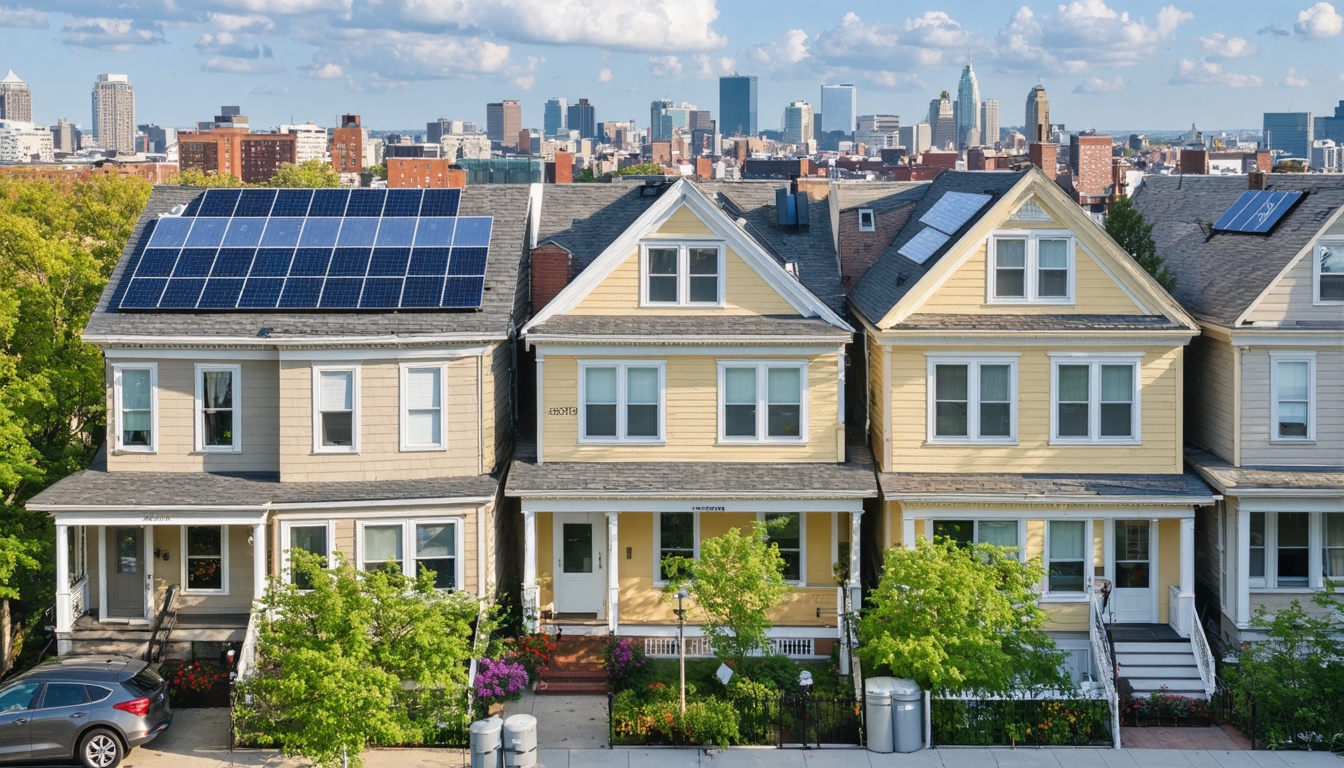
How Boston Homeowners Can Make the Most of Their Solar Potential
If you are contemplating the installation of solar energy in your Boston residence, it is important to understand how to optimize both environmental impacts and financial returns. Given the city's specific climate conditions, available local incentives, and the increasing variety of installation options, several factors must be considered before proceeding. Key steps include evaluating the solar potential of your roof, researching current rebates and incentives, and understanding the installation process in detail. By examining these aspects, homeowners can make informed decisions that align with their energy needs and financial goals.
Understanding Eligibility and Financing Options
If you are considering the installation of solar panels for your residence in Boston, it is important to evaluate your eligibility for local financing programs. The Boston Home Center offers a Solar Loan Pilot Program aimed at assisting homeowners with solar panel installations. To qualify, applicants must reside in a single-family home or a property with up to four units, meet specified income criteria, and demonstrate financial responsibility related to the property.
The program provides a loan at 0% interest to facilitate solar panel installation. There is a provision for loan forgiveness after 20 years, contingent on the homeowner continuing to live in the property as their primary residence.
Homeowners interested in this program should seek estimates from licensed solar installers in the area, such as those available at https://solarpanelcompanyboston.com/, and gather the necessary documentation for their application.
Beyond the loan program, it is advisable for homeowners to explore additional financing options such as net metering credits, federal and state tax credits, and potential tax exemptions. These financial incentives can help to lower both the upfront costs of solar energy systems and ongoing electricity expenses.
Conducting thorough research and adhering to program requirements are important for optimizing the financial benefits associated with solar panel installation.
Assessing Roof Suitability for Solar Installation
When assessing the suitability of a roof for solar panel installation in Boston, it is important to evaluate the condition of the roof.
In Massachusetts, roofs that were installed within the last five years typically meet the eligibility criteria for solar installation. If a roof is between five and fifteen years old, it is recommended to have it inspected by a qualified contractor to determine if any repairs are necessary prior to installation.
For roofs that are older than fifteen years, replacement is generally advised, which can be financed through options such as a Home Repair Loan.
In addition to the roof's condition, the available space on the roof must be considered for the proposed solar panel system.
A standard residential system, for instance, a 7 kW setup, requires adequate space to optimize electricity production and effectively reduce energy costs.
Ensuring sufficient roof space is a critical factor in the installation process, as it directly impacts the efficiency and performance of the solar energy system.
Therefore, both the roof's age and available space are key components in determining the suitability for solar panel installation.
Navigating the Application and Permitting Process
Before initiating a solar installation, it is crucial to navigate the application and permitting process, which is necessary to access financial incentives such as the Boston Home Center’s Solar Loan Pilot Program.
First, confirm your eligibility by ensuring that your primary residence is a 1–4 family home located in Boston, Massachusetts. Additionally, verifying household income is important to comply with specific program requirements.
To achieve a competitive system cost, it is recommended to obtain estimates for solar panel systems from at least two licensed installers within your locality. This approach facilitates cost comparison and provides a variety of options tailored to your specific needs.
Once all necessary documents are prepared, submit your application, which should include income verification, roof eligibility information, and the installer estimates.
Following approval, you can then proceed to close the loan and schedule the installation of the solar panels.
If you encounter any questions during this process, it may be helpful to consult reputable sources that can offer information and address common inquiries regarding solar installation and available financing options.
Maximizing Savings Through Incentives and Net Metering
A variety of financial incentives and net metering options contribute to the economic feasibility of solar investments for homeowners in Boston. In Massachusetts, individuals can take advantage of a tax credit of up to $1,000, alongside a sales tax exemption for qualifying solar energy equipment and panel systems.
Furthermore, installations may enroll in the SMART 3.0 program, which guarantees fixed-rate payments for each kilowatt-hour (kWh) produced by the solar system.
Net metering enables homeowners to lower their electricity expenses by offsetting higher energy prices. Any surplus electricity generated can be either stored or utilized, with systems like the Tesla Powerwall aiding in this by allowing homeowners to earn credits against their energy bills.
With minimal to no initial costs associated with installation, homeowners can anticipate average annual savings of around $290. This financial dynamic can decrease the payback period for the investment in solar technology.
The combination of these incentives and savings strategies reinforces solar energy as a financially viable option for Boston residents seeking to manage their energy costs effectively.
Choosing the Right Solar Provider and System Maintenance
Selecting the right solar provider involves a thorough evaluation of their expertise and reliability, essential factors that can significantly influence the long-term performance and value of your solar investment.
In Boston, it is recommended to obtain quotes from a minimum of two licensed solar installers. This approach facilitates competitive pricing and enables the customization of solar panel systems to better meet the unique needs of residential and commercial projects.
Choosing a provider with experience in Massachusetts is beneficial, as such companies are more likely to be knowledgeable about local regulations and available incentives. Additionally, a robust warranty policy and attentiveness to customer support—particularly in responding to common inquiries—should be prioritized during the selection process.
Integrating options such as battery storage, including systems like the Tesla Powerwall, can potentially enhance system efficiency by lowering electricity costs and supporting participation in net metering programs.
Furthermore, it is critical to assess the quality of panel installation, review production guarantees, explore available tax credits, and examine financing options. These considerations can aid in managing initial expenditures while also optimizing the overall performance of the solar system.
Conclusion
Investing in solar panels in Boston can provide both environmental benefits and potential financial returns. It is important to evaluate the suitability of your roof for solar installation, taking into account factors such as roof orientation, shading, and structural integrity. Researching local incentives, including state and federal tax credits, can also improve the economic feasibility of your investment. Financing options are available, including solar loans, leases, and power purchase agreements, which can help homeowners manage upfront costs. Selecting a reputable installer is crucial, as their expertise can impact the efficiency and longevity of your solar system. Regular maintenance of the solar panels will contribute to optimal performance and energy savings over time. With the appropriate analysis and planning, homeowners in Boston can benefit from the financial and energy advantages that solar power offers, potentially enhancing the long-term value of their properties.


