
NewsFeed
How Local Weather Shapes Solar Energy Decisions in North Carolina
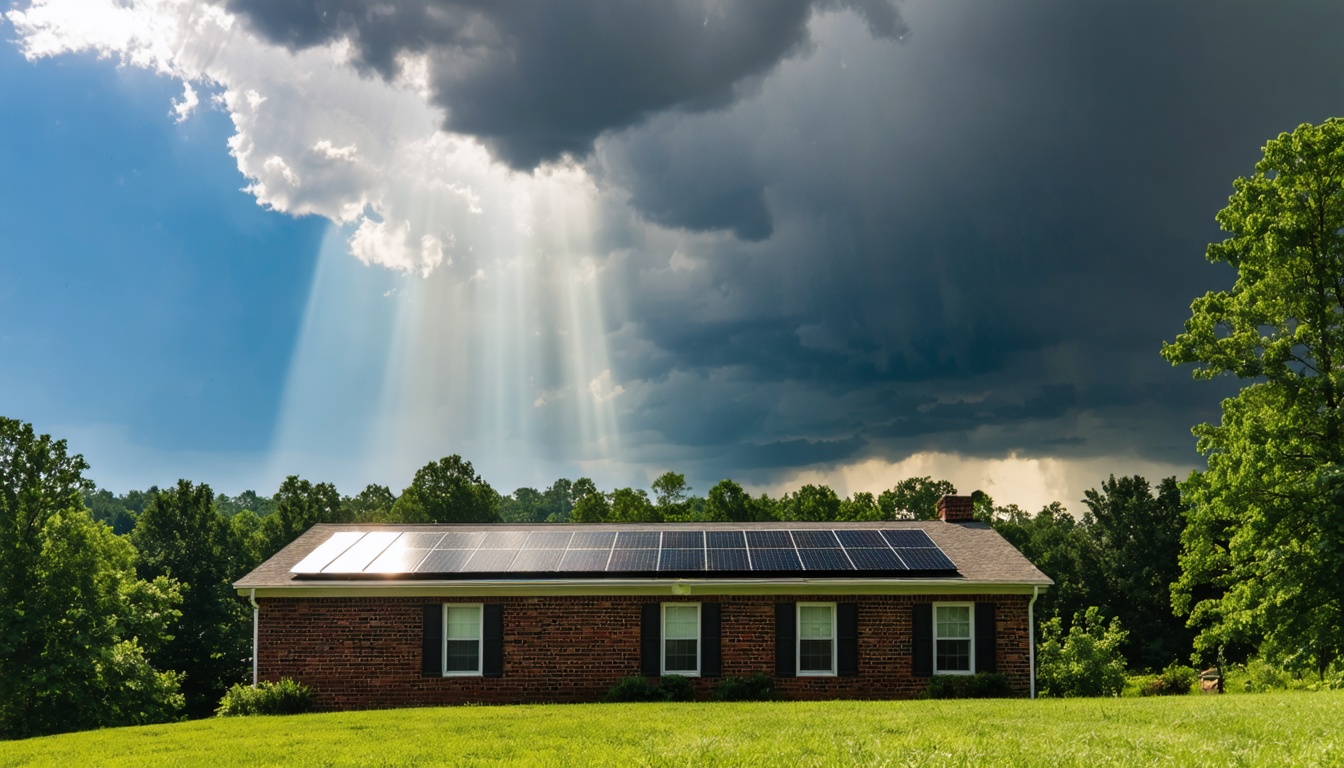
When considering solar energy in North Carolina, it is important to account for the region's variable weather patterns. The state's climate includes high humidity during summer months and occasional thunderstorms, which can impact the performance and longevity of solar panels. Solar panel efficiency is influenced by both sunlight exposure and environmental conditions. In North Carolina, the presence of clouds can reduce the amount of direct sunlight that solar panels receive, potentially affecting energy output. Additionally, the threat of hurricanes, while not an everyday occurrence, necessitates consideration of the durability and wind resistance of solar installations. Before investing in solar technology, individuals and businesses should assess their specific environmental conditions, review panel specifications regarding weather resistance, and consider local regulations that may affect installation practices. Understanding these factors is essential for making informed decisions that align with both energy needs and financial implications.
Weather Patterns and Solar Power Generation in North Carolina
The weather conditions in North Carolina have a noticeable effect on solar power generation capabilities. Elevated summer temperatures, often in the mid-90s Fahrenheit, can result in decreased efficiency of solar panels, potentially reducing their output by as much as 25%.
It is beneficial to review reports from the North Carolina Utilities Commission (NCUC) to remain updated on trends and statistics in the solar energy market.
The state's energy policy significantly influences the cost of renewable electricity and contributes to workforce development within the solar sector. Important elements that shape the industry landscape include the role of Duke Energy, the development of large-scale commercial solar projects, such as those offered by Commercial Solar Installation, and the state's renewable portfolio standards.
To enhance the utilization of solar energy, both individuals and businesses should consider downloading utility reports, evaluating the optimal placement of solar panels, and consulting with local professionals.
The NCUC supports programs aimed at job creation in the renewable sector and seeks to improve the efficiency of solar energy deployment in North Carolina.
Regional Climate Impacts on Photovoltaic Performance
North Carolina's solar energy sector is significantly influenced by the region's solar irradiance levels, which promote solar energy generation. However, the warm climate leads to efficiency challenges for photovoltaic (PV) systems. Current assessments indicate that during the summer months, PV panels in North Carolina may experience efficiency losses of approximately 25%. This reduction in efficiency results in diminished energy output and poses challenges for overall electricity generation.
In light of these challenges, stakeholders in the solar market, particularly large commercial operators and utility companies such as Duke Energy, are compelled to reevaluate their strategies. These adjustments are crucial for minimizing clean energy costs and ensuring compliance with the North Carolina Renewable Portfolio Standard, which mandates that a certain percentage of electricity be derived from renewable sources.
The North Carolina Utilities Commission (NCUC) is instrumental in shaping energy policies and facilitating workforce development within the state. By leveraging historical data alongside new information, the NCUC aims to support industry growth and align with the broader renewable energy objectives established at the national level.
A thorough understanding of the unique climatic conditions in North Carolina is essential for stakeholders to optimize the performance and sustainability of solar technology in the region.
Efficiency Losses During High Temperature Events
During extended periods of high temperatures in North Carolina, solar panel performance is often reduced, with documented efficiency losses reaching as high as 25%. According to data from the North Carolina Utilities Commission (NCUC), almost all solar panels demonstrate decreased energy conversion efficiency during peak summer heat.
This phenomenon has significant implications for state policy, market dynamics, and electricity pricing, particularly affecting energy providers such as Duke Energy and large commercial users.
To address these challenges and encourage the continued use of renewable energy, optimizing the placement of solar panels and implementing cooling mechanisms could prove effective.
These strategies may help maintain solar efficiency and simultaneously create job opportunities within the state. Staying informed about advancements in renewable energy and workforce development can be facilitated by reviewing national guidelines or consulting resources related to energy portfolio standards.
Geographic Variations in Solar Output
In North Carolina, the orientation and placement of solar panels play a critical role in determining energy production levels, influenced by the state's diverse climates and geographical attributes. Analyzing solar energy options requires consideration of these geographic variations, which significantly impact efficiency and associated costs.
Data indicates that both large commercial and residential solar panels in North Carolina may face output reductions of approximately 25% during extreme heat conditions. This reduction in energy output is pertinent to the state's Renewable Portfolio Standard and the operational policies set by Duke Energy and the state Utilities Commission.
The North Carolina Utilities Commission (NCUC) monitors trends in energy production and consumption, contributing to broader evaluations of the national energy market. Stakeholders should stay abreast of these developments, particularly as the interactions among electricity generation, workforce development, and clean energy policies demonstrate that geographical location directly influences implementation costs, job creation, and the planning of utility-scale projects.
Strategies for Addressing Heat-Related Performance Declines
During the summer months in North Carolina, temperatures often reach the mid-90s, resulting in a notable reduction in the efficiency of solar panels—estimated at around 25%. This reduction highlights the importance of implementing effective performance management strategies. Regular monitoring of solar panel efficiency is essential; utilizing official utility data and staying informed through updates from the North Carolina Utilities Commission (NCUC) can yield important insights for stakeholders.
One approach to mitigating the impacts of heat on solar panel performance includes adjusting the positioning of panels to enhance exposure while reducing thermal buildup. Additionally, establishing a routine maintenance schedule is beneficial, particularly for larger commercial systems, as it helps maintain optimal functionality.
Incorporating cooling technologies can also be an effective strategy, as these systems are designed to improve energy conversion rates and reduce the costs linked to producing clean electricity.
The renewable energy sector in North Carolina is further supported by the state's Renewable Portfolio Standard, which plays a role in workforce development and job creation, thereby strengthening the overall solar market in the state. This regulatory framework indicates a commitment to promoting sustainable energy solutions while addressing performance challenges related to high temperatures.
Policy and Market Responses to Changing Local Conditions
North Carolina possesses a significant potential for solar energy generation, but the efficiency of solar panels is notably compromised by elevated summer temperatures. The North Carolina Utilities Commission (NCUC) and Duke Energy actively monitor solar panel performance using official data sources. Studies indicate that during periods of extreme heat, the efficiency of these panels can decline by approximately 25%, necessitating adjustments in state energy policy.
Consequently, revisions to the Renewable Energy Portfolio Standard are under consideration, alongside a proposed requirement for regular reporting on the efficiency of solar panels.
To address the challenges posed by temperature fluctuations, the integration of advanced electricity storage technologies into the energy market has been prioritized. These solutions aim to enhance overall energy stability and reduce the impact of efficiency losses during high-temperature events.
Additionally, initiatives aimed at workforce development have been introduced to promote job creation within the clean energy sector.
For both large commercial enterprises and individual residential solar users, it remains critical to stay updated on national developments and utility-specific information. Such knowledge is important for making informed decisions regarding solar investments and navigating the changing energy landscape in North Carolina.
Technological Solutions for Temperature Management
North Carolina faces challenges in solar energy generation due to consistently high summer temperatures, which can significantly reduce the efficiency of solar panels.
Research indicates that during peak heat conditions, solar panels in the state may experience efficiency losses of up to 25%. To address this issue, the solar industry is increasingly implementing technological solutions such as active cooling systems, optimized panel positioning, and regular maintenance checks.
The North Carolina Utilities Commission (NCUC) has recommended that large commercial solar projects incorporate these advanced technologies to further the state’s clean energy initiatives and adhere to the Renewable Portfolio Standard goals.
Utility companies, including Duke Energy and other stakeholders in the market, can improve workforce development efforts and create job opportunities while managing operational costs through the adoption of these technology-based energy solutions.
Utilizing current data and insights from reputable sources will support these objectives and enhance overall efficiency in solar energy capture and distribution.
Financial Considerations for Solar Installations in Hot Climates
North Carolina experiences high summer temperatures, which can affect the efficiency of solar panels. Despite these temperature-related challenges, financial incentives and decreasing installation costs have led to an increase in the adoption of solar technology across the state. Notably, a combination of State and Federal renewable energy tax credits, alongside North Carolina's Renewable Portfolio Standard, can lower the upfront costs of solar panel installation by up to 50%.
According to data from NC utilities and market reports, even with potential efficiency reductions due to elevated temperatures, the cost of electricity has remained stable.
The policies enacted by Duke Energy, in conjunction with regulations from the North Carolina Utilities Commission (NCUC), support the sustainability of the solar industry. These policies aim to facilitate clean energy development and workforce growth in the solar sector.
For individuals or entities contemplating significant investments in solar energy, accessing current reports and resources from the NCUC can provide important insights regarding the financial aspects of both large commercial and residential projects.
Long-Term Trends and Industry Adaptations
Solar industry professionals in North Carolina acknowledge that elevated summer temperatures affect the performance of solar panels. Research from the National Renewable Energy Laboratory and the North Carolina Utilities Commission (NCUC) shows that high heat can result in measurable efficiency losses in solar energy production. Consequently, the state's solar market is adapting its strategies to reflect these findings.
State policies, particularly the Renewable Portfolio Standard, are instrumental in guiding industry strategies for large commercial solar projects. Major utilities, including Duke Energy, are examining the feasibility of implementing cost-effective solutions such as cooling systems and optimal panel positioning to counterbalance the adverse effects of heat on energy output.
Furthermore, the evolution of the clean energy sector highlights the importance of workforce development initiatives. Promoting careers in this field and creating job opportunities are crucial for maintaining a reliable electricity supply in the face of changing energy demands and technologies.
A coordinated effort among regulatory frameworks, industry practices, and workforce preparedness is essential to meet the challenges associated with climate variability.
Conclusion
When considering an investment in solar energy in North Carolina, it is essential to examine how local weather patterns impact system performance. Various factors such as seasonal variations, instances of extreme weather, and elevated temperatures can significantly influence both the economics and efficiency of solar energy systems. Seasonal changes can lead to fluctuations in solar irradiance, which in turn affects energy output. For example, the summer months typically yield higher solar generation due to longer daylight hours, whereas winter may present challenges such as shorter days and inclement weather. Extreme weather events, including hurricanes and heavy storms, pose risks to solar infrastructure, necessitating careful planning and installation practices to mitigate potential damage. Additionally, high temperatures can impact the efficiency of solar panels. Most photovoltaic systems experience reduced efficiency as temperatures rise, which is an important factor to consider in the context of North Carolina’s climate. Staying informed about technological advancements and local policy updates is crucial for optimizing the performance and resilience of solar investments. Continued developments in energy storage and grid management technologies may enhance the viability of solar energy under various weather conditions. By taking these regional weather factors into account, investors in North Carolina can make more informed decisions regarding solar energy systems, ensuring a reliable and sustainable energy future while also contributing to the broader solar landscape in the state.


